Fitness & Wellbeing
Pelvic-Floor Training in Pregnancy: Kegels Done Right
Most people do Kegels wrong — and a biofeedback device can tell you so in real time. Here is how to train your pelvic floor correctly through pregnancy and why it matters more than you think.
Clinically reviewed · June 2026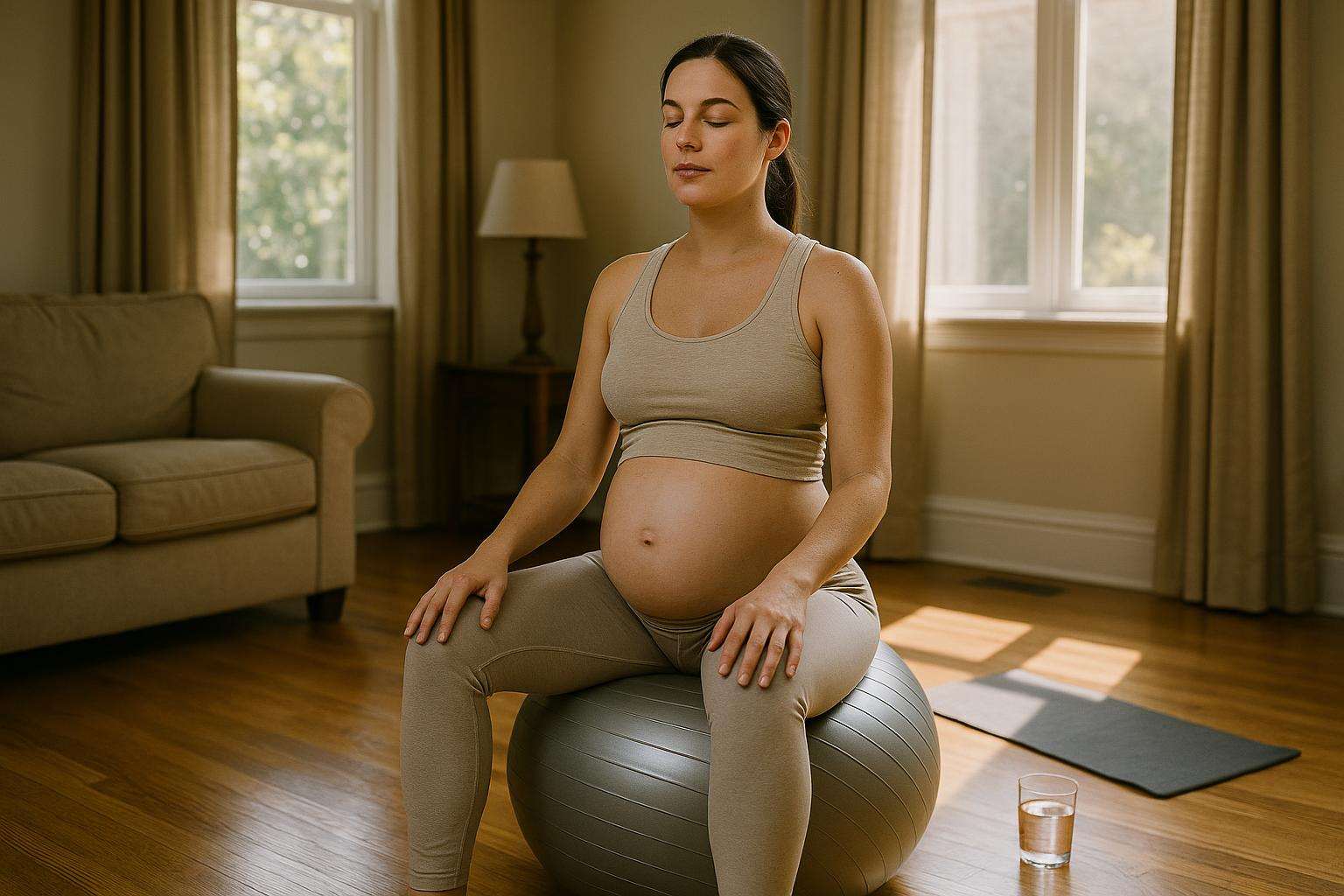
Pelvic floor exercises are safe and beneficial throughout pregnancy — but research consistently shows that 30–50% of women perform them incorrectly, bearing down rather than lifting up. Correct technique, started early and done consistently, reduces urinary incontinence risk by up to 37%, and biofeedback devices can confirm you are doing it right.
If you have ever tried Kegel exercises and wondered whether you were actually doing anything useful, you are in good company. Studies consistently find that 30–50% of women perform pelvic floor contractions incorrectly — most commonly by pushing outward or bearing down rather than lifting and squeezing inward. In pregnancy, that error is not just ineffective; it can make symptoms like leaking and pelvic heaviness worse over time. The good news is that correct technique is learnable, and there are now consumer devices that can show you in real time whether your pelvic floor is responding the way it should.
This guide covers what the pelvic floor actually does in pregnancy, how to train it correctly from the first trimester through birth, and how biofeedback trainers like the Elvie Trainer and Perifit compare — grounded in evidence and written from a pelvic-floor physical therapy perspective. This is general educational information, not medical advice. Talk with your prenatal provider or a credentialed pelvic floor physical therapist before beginning a new exercise program, especially if you have pelvic pain, prolapse symptoms, or any obstetric complication.
What Does the Pelvic Floor Actually Do — and Why Does Pregnancy Challenge It?
The pelvic floor is a hammock of muscles and connective tissue spanning the base of the pelvis. It supports the bladder, uterus, and rectum; controls continence; assists in sexual function; and — crucially during pregnancy — works with the diaphragm, transversus abdominis, and multifidus to form the "inner core canister" that stabilizes the spine and manages intra-abdominal pressure.
Pregnancy places this system under escalating load. By the third trimester, the pelvic floor is supporting a growing uterus, increased blood volume, and the mechanical demands of a shifting center of gravity — all while the hormone relaxin is softening ligamentous support throughout the pelvis. The result: stress urinary incontinence (leaking with coughing, sneezing, or exercise) affects a meaningful proportion of pregnant women, and the risk of pelvic organ prolapse rises with each vaginal delivery.
A 2025 systematic review and meta-analysis encompassing 65 studies and more than 21,000 participants found that pelvic floor muscle training (PFMT) reduced the odds of urinary incontinence by 37%. That is a clinically significant effect — and it is achievable with correct technique practiced consistently, without any device or formal program beyond what you can do in 10 minutes a day. Diastasis recti (abdominal separation) — which affects approximately 33% of women by gestational week 21 and up to 60% at six weeks postpartum — also responds to coordinated deep-core training that engages the pelvic floor alongside the transversus abdominis. (See the prevalence data from NIH/PMC.)
How to Do Kegels Correctly: Technique, Timing, and Progressions by Trimester
The foundational Kegel contraction is simple to describe and frequently misunderstood in practice. Here is the sequence:
- Position: Start seated, with your weight even on both sit bones. Sitting on a stability ball is ideal because it provides proprioceptive feedback and keeps you off a hard surface.
- Identify the target muscles: Imagine you are stopping mid-stream of urination and, at the same time, preventing yourself from passing gas. The muscles you engage for both actions simultaneously are your pelvic floor.
- Lift and squeeze — do not push down: Contract those muscles upward and inward. You should feel a distinct lifting sensation at the base of your pelvis. Your glutes, inner thighs, and abdomen should remain relaxed.
- Hold: In early training, hold 3–5 seconds. Progress to 8–10 seconds as strength builds, but only if you can maintain the contraction without holding your breath.
- Release fully: A complete, unhurried release is as important as the contraction. Women with hypertonic (overly tense) pelvic floors often need more focus on the release than on the squeeze. If you experience pelvic pain or pressure with Kegels, stop and consult a pelvic floor PT — hypertonia (too much tension) is as common as weakness in some populations.
- Breathe throughout: Exhale on the lift; inhale on the release. Never hold your breath — breath-holding increases intra-abdominal pressure in exactly the way you are trying to avoid.
Dosing: Most evidence-based programs recommend 3 sets of 10–15 contractions, two to three times per day, with at least one minute of rest between sets. Embed them into existing habits — while sitting at a red light, before getting out of bed, during a feeding — so they become automatic rather than another to-do.
Trimester-specific notes:
- First trimester: Focus on establishing correct technique. Nausea may limit workout consistency, but Kegels can be done in any position and require no equipment.
- Second trimester: Add functional integration — practice a pelvic floor contraction before and during activities that generate intra-abdominal pressure: picking something up from the floor, coughing, or transitioning from sitting to standing.
- Third trimester: Continue contractions but also practice the release phase deliberately. During the pushing stage of labor, controlled relaxation — not maximal contraction — is the skill you will need. Breathing exercises that coordinate pelvic floor release with exhalation are a valuable third-trimester addition.
The American College of Obstetricians and Gynecologists recommends 150 minutes per week of moderate-intensity aerobic activity and endorses strength/resistance conditioning — which includes pelvic floor training — throughout pregnancy without a defined heart-rate ceiling. The "talk test" (you can speak in full sentences but not sing) is ACOG's preferred intensity guide. Pelvic floor exercises are appropriate for all trimesters in uncomplicated pregnancies.
Do Biofeedback Devices Actually Help — and How Do Elvie Trainer and Perifit Compare?
The honest clinical answer is: for a woman who is uncertain about her technique and motivated to train consistently, yes. Biofeedback devices address the single biggest obstacle to effective PFMT — the fact that you cannot see what your pelvic floor is doing. For complex dysfunction (significant prolapse, pelvic pain, vaginismus), they are adjuncts to — not replacements for — in-person pelvic floor physiotherapy.
| Feature | Elvie Trainer | Perifit (Standard) | Perifit Care+ |
|---|---|---|---|
| Price | $199 | $99–$149 | $179 |
| Width | 28 mm (slimmest) | 32 mm | 32 mm |
| Directional sensing (catches bearing-down) | Yes — core differentiator | No | Yes (multi-sensor) |
| App approach | Motion-based visualization | Gamified (interactive games) | Personalized algorithms + games |
| FDA registration | Yes | FDA Class I | FDA Class I |
| HSA/FSA eligible | Yes | Check with insurer | Check with insurer |
| Subscription required | No | No | No |
| IUD safe | Yes (confirmed) | Confirm with provider | Confirm with provider |
| Best for | Technique correction, pelvic sensitivity | Engagement/motivation, budget-conscious | Advanced users, progressive training |
Elvie Trainer ($199; elvie.com) is the leading recommendation among pelvic floor physical therapists for one specific reason: directional biofeedback. If you bear down during a contraction — the most common technique error — the Elvie app alerts you immediately. No other aspect of the device matters as much as this for correcting the error that undermines 30–50% of unsupervised Kegel programs. At 28 mm, it is also the slimmest option, which matters for women with pelvic sensitivity or any history of vaginismus. It is waterproof, rechargeable (approximately one month of use per charge), and available at Amazon, Walmart, Target, and Best Buy. Important: clinicians advise waiting until your six-week postpartum visit before resuming use after delivery.
Perifit ($99–$149; perifit.com) trades directional sensing for gamification — your contractions control interactive on-screen games, which many users find more motivating for daily adherence than a simple biofeedback display. A 2024 real-world analysis found progressive improvement in urinary incontinence symptom scores during Perifit training. The Perifit Care+ ($179) adds multi-sensor biofeedback and personalized algorithms that narrow the gap with the Elvie on technique precision. For women whose primary challenge is consistency rather than technique correction, Perifit may actually produce better outcomes simply because the game format keeps them coming back daily.
For a practitioner-reviewed side-by-side analysis of both devices, the MUTU System comparison is one of the most balanced available.
The Root Cause Most Kegel Programs Miss: Vitamin D and Pelvic Floor Strength
Here is the part of pelvic floor training that almost no app or device addresses: you cannot train your way out of a nutritional deficiency. Pelvic floor muscles express vitamin D receptors — the same receptors found in skeletal muscle throughout the body — meaning that vitamin D status has a direct biological effect on pelvic floor muscle function, not just a correlational one.
A 2023 cross-sectional study of 250 late-trimester pregnant women found that 84% were vitamin D-deficient (below 20 ng/mL). Women in the deficient group had significantly higher rates of urinary incontinence (42.4% vs. 27.5%; p=.026) and significantly lower postpartum pelvic floor muscle strength (mean 21.96 vs. 29.66 cm-H₂O; p=.001). An earlier study in the Journal of Obstetrics and Gynaecology Canada confirmed the association between antepartum vitamin D levels and postpartum pelvic floor muscle strength.
From a functional perspective, a woman who is vitamin D-deficient and doing Kegels is training muscles that lack a key substrate for optimal contractile function. Integrative practitioners typically target a serum 25-OH-D level of 40–60 ng/mL through a combination of safe sun exposure, dietary sources (fatty fish, egg yolks, fortified foods), and supplementation — with re-testing each trimester. Discuss your vitamin D status and any supplement changes with your prenatal care team. Do not discontinue any prescribed medication or protocol without explicit medical guidance.
Magnesium is a related factor: magnesium is a cofactor in neuromuscular function, and leg cramps — a common pregnancy complaint that can disrupt exercise consistency — are associated with hypomagnesemia. A 2021 controlled trial found that oral magnesium supplementation meaningfully reduced leg cramps in pregnancy. If cramps are disrupting your ability to exercise consistently, ask your provider about magnesium status before assuming the cause is fitness-related.
Frequently asked
How do I know if I'm doing Kegels correctly during pregnancy?
The most reliable self-check is the "lift and squeeze" sensation: imagine you are stopping the flow of urine and, simultaneously, preventing yourself from passing gas. You should feel a distinct upward and inward drawing sensation, not a bearing-down or pushing-out feeling. Research consistently shows that 30–50% of women perform Kegels incorrectly even after verbal instruction — most commonly by increasing intra-abdominal pressure downward rather than contracting upward. A biofeedback device such as the Elvie Trainer uses directional sensing to alert you in real time when you are bearing down rather than lifting, making it the most practical at-home confirmation tool available. If you have persistent uncertainty or symptoms such as leaking or pelvic heaviness, a single session with a pelvic floor physical therapist can correct technique with precision that no app can match.
When in pregnancy should I start pelvic floor exercises?
You can begin pelvic floor muscle training (PFMT) as early as the first trimester — there is no gestational age before which Kegels are inappropriate in an uncomplicated pregnancy. Starting early gives you time to establish correct technique before the pelvic floor is under the greatest mechanical load in the third trimester. ACOG recommends that exercise, including strength and conditioning, continue throughout pregnancy in the absence of obstetric or medical contraindications. A 2025 systematic review and meta-analysis encompassing 65 studies and 21,334 participants found that pelvic floor muscle training reduced the odds of urinary incontinence by 37% — a meaningful protective effect that accrues over weeks of consistent practice. Aim for two to three short sessions per day (5–10 minutes each) rather than one long block.
What is the Elvie Trainer and is it safe during pregnancy?
The Elvie Trainer (elvie.com; $199) is an intravaginal silicone biofeedback pod that connects via Bluetooth to a companion app, visualizing pelvic floor contractions in real time. Its clinical differentiator is directional sensing: the device distinguishes between an upward lift (correct) and a downward push (incorrect), alerting you when technique is wrong — something neither a mirror nor a verbal cue reliably achieves. The Elvie Trainer is FDA-registered, IUD-safe, and waterproof, and it is eligible for payment through HSA/FSA accounts. It is generally considered safe to use during an uncomplicated pregnancy when cleared by your provider; clinicians advise waiting until the six-week postpartum check-up before resuming device use after delivery. More than 1,000 health professionals worldwide recommend it.
How does Perifit compare to the Elvie Trainer?
Both devices are intravaginal biofeedback trainers, but they differ in design philosophy and price. Perifit ($99–$149; perifit.com) takes a gamified approach — interactive games respond to your pelvic floor contractions to sustain engagement — and is 32 mm wide. The Perifit Care+ ($179) adds multi-sensor feedback and personalized training algorithms. A 2024 pragmatic real-world analysis found progressive improvement in urinary incontinence symptom scores during Perifit training. Elvie Trainer ($199) is slimmer at 28 mm, which may be more comfortable for women with pelvic sensitivity, and its directional biofeedback catches the downward-bearing error that is the most common Kegel mistake. See the MUTU System comparative analysis for a practitioner-reviewed breakdown. For complex dysfunction — prolapse, pelvic pain, vaginismus — pelvic floor physiotherapy with a credentialed specialist remains the gold standard over any consumer device.
Can vitamin D deficiency affect pelvic floor strength during pregnancy?
Yes — and this is a root cause that standard Kegel programs do not address. A 2023 cross-sectional study of 250 late-trimester pregnant women found that 84% were vitamin D-deficient (below 20 ng/mL), and women in the deficient group had significantly higher rates of urinary incontinence (42.4% vs. 27.5%; p=.026). Postpartum pelvic floor muscle strength was also significantly lower in deficient women (mean 21.96 vs. 29.66 cm-H₂O; p=.001). Pelvic floor muscles express vitamin D receptors, suggesting a direct biological mechanism — not merely a correlation. Integrative practitioners typically target a serum 25-OH-D level of 40–60 ng/mL through a combination of safe sun exposure, dietary sources, and supplementation, with re-testing each trimester. Discuss your vitamin D status with your prenatal provider before adjusting supplementation. This is general information, not medical advice — always consult your provider.
Are Kegel exercises safe throughout all three trimesters?
Kegel exercises — proper pelvic floor contractions — are safe throughout all three trimesters in uncomplicated pregnancies and are, in fact, one of the few strength exercises that becomes more important as pregnancy progresses, not less. ACOG Committee Opinion No. 804 endorses both aerobic exercise and strength/resistance conditioning throughout pregnancy in the absence of medical or obstetric contraindications. There are no trimester restrictions on PFMT. What changes by trimester is the associated exercises: after the first trimester, you should minimize prolonged supine positions (lying flat on your back) because the gravid uterus can compress the vena cava. Pelvic floor work can be performed seated, standing, side-lying, or on hands and knees — positions that remain safe regardless of gestational age. Always confirm with your provider if you have pelvic pain, prolapse symptoms, or any obstetric complication before beginning a new exercise routine.