The Best Online Childbirth Classes of 2026
A certified nurse-midwife ranks Tinyhood, Mama Natural, Expectful, and Lamaze on curriculum depth, instructor credentials, birth-philosophy fit, and the economics of subscription versus one-time purchase.
Birth preparation, pain relief, and the fourth-trimester recovery.
Birth is unpredictable, but it is far less frightening when you understand the choices in front of you — so this section is about being prepared rather than scripted. We walk through writing a one-page birth plan nurses will actually use, compare childbirth-class methods (Lamaze, Bradley, HypnoBirthing), lay out every pain-relief option from nitrous and hydrotherapy to the epidural (and bust the myth that it raises your C-section risk), and pack the hospital bag with you. Then we cover the part people prepare for least: the fourth trimester — recovery from a vaginal or cesarean birth, the warning signs that need care, and getting started with breastfeeding. It is general information, written alongside your midwife or OB rather than in place of them.
A certified nurse-midwife ranks Tinyhood, Mama Natural, Expectful, and Lamaze on curriculum depth, instructor credentials, birth-philosophy fit, and the economics of subscription versus one-time purchase.
Everything you need to know about VBAC eligibility per ACOG Practice Bulletin No. 184 — the 60–80% success range, real rupture-risk numbers, and how to find a provider who will actually support your TOLAC.
A week-by-week guide to what your body actually needs after vaginal or cesarean birth — from peri-care and incision management to the warning signs that mean call your provider today.
A clinical comparison of every pharmacologic and non-pharmacologic pain relief option available in 2026 — what the evidence actually shows, what your birth setting determines, and why ACOG has retired its concerns about early epidurals.
A midwife-reviewed guide to non-pharmacologic and semi-pharmacologic labor pain options—what the evidence says, who each method suits, and how to combine them.
A section-by-section walkthrough of what to include, what nurses actually read, and which items are genuinely negotiable — so your one-page plan works when it matters most.
An evidence-based packing guide for your labor bag, organized by birth setting — covering what hospitals provide, what to bring for the birthing person, support partner, and baby, and when to have it ready.
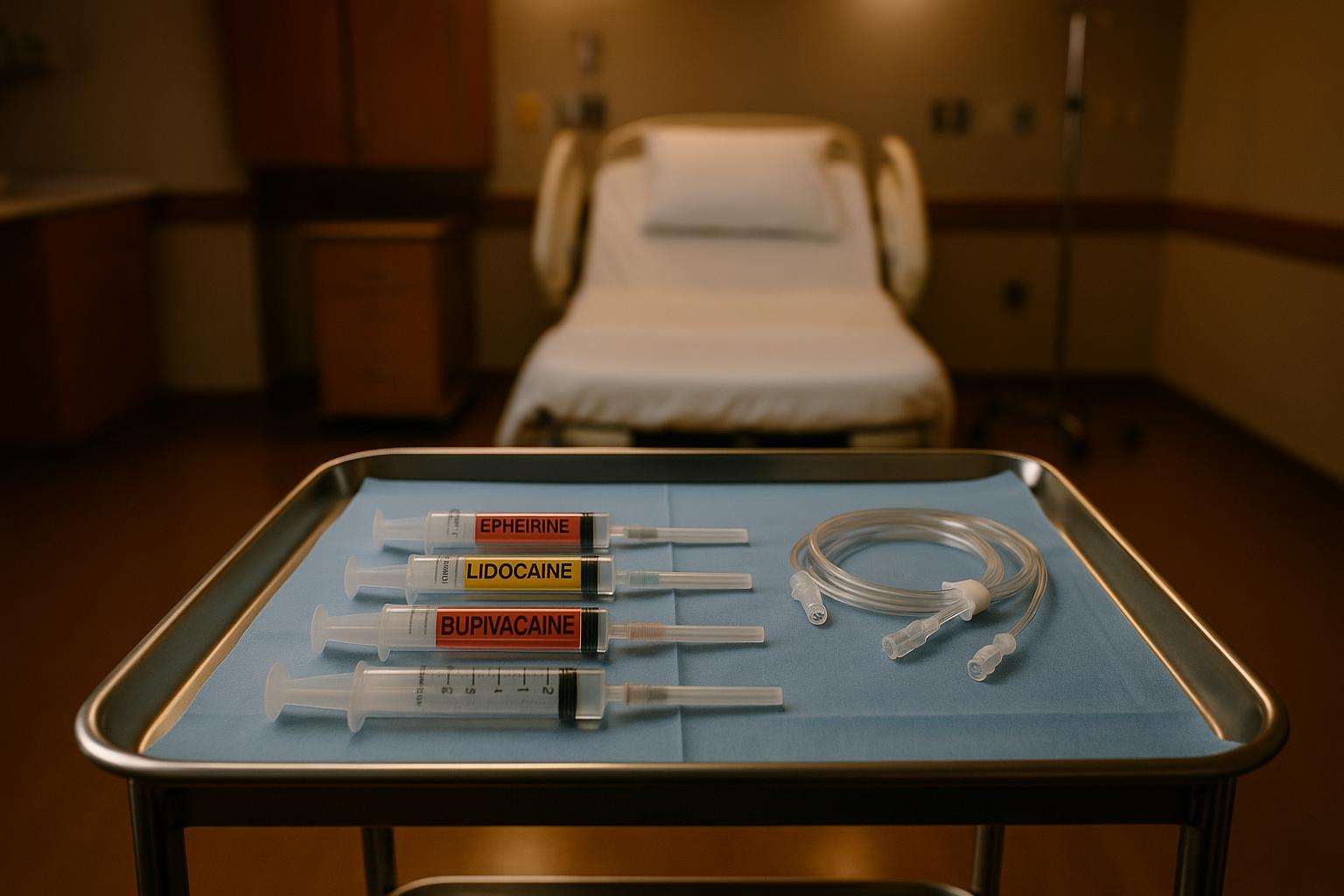
A clinically clear guide to how epidural analgesia works during labor, when you can get one, what the real risks are, and what to expect on your hospital bill.
A CNM-reviewed guide to the four main childbirth education methods — what each teaches, how long they take, what they cost, and which fits your birth philosophy.
From pre-op steps and questions to ask your provider to a staged recovery timeline and warning signs — a clinically grounded guide to planned and unplanned cesarean birth.
A CNM-guided walkthrough of latch basics, supply realities, nipple care, and when to call an IBCLC — everything you need for a confident first week.