When to Take a Pregnancy Test for Accurate Results
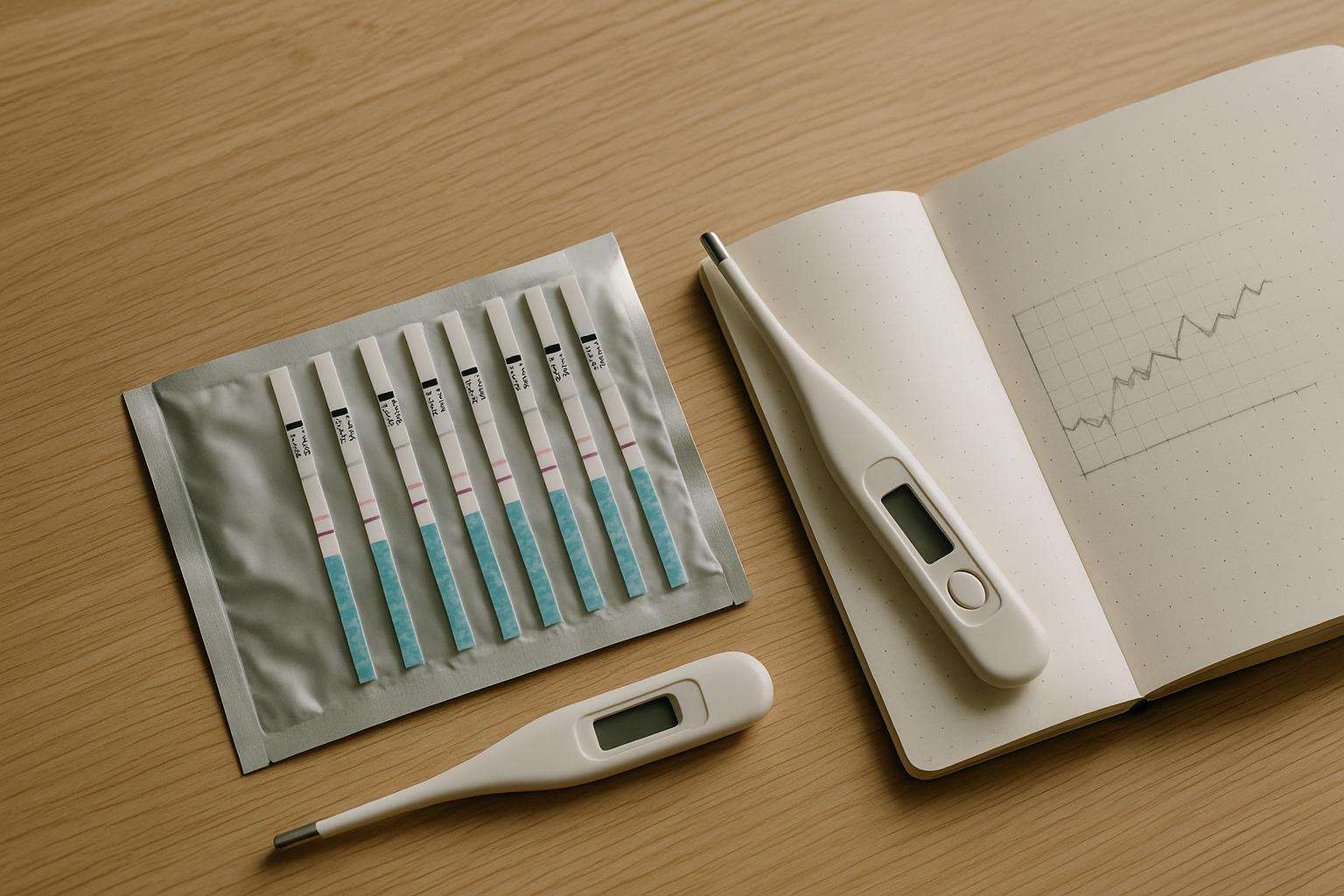
The hCG implantation-to-detection timeline, why first morning urine matters, and the detection-rate curve before a missed period — so you test at the moment it actually counts.
Week-by-week development, symptoms and milestones from preconception to birth.
Pregnancy is easiest to follow one week at a time, and that is how this section is built. From the first faint line on a test through the dating ultrasound, the anatomy scan, quickening, and the 5-1-1 contractions that mean it is time to go, we map what is happening inside — poppy-seed to watermelon — alongside what you are likely to feel, and which feelings are a signal rather than just the ordinary discomfort of growing a person. We lean on ACOG, Mayo Clinic, and March of Dimes for the milestones, and we always tell you plainly where the line sits between normal and call-your-provider. This is general information, written to help you ask better questions — not a substitute for the care of your own midwife or OB.
The hCG implantation-to-detection timeline, why first morning urine matters, and the detection-rate curve before a missed period — so you test at the moment it actually counts.
From the first pound of subcutaneous fat to fully formed toenails, here is exactly what is happening inside the womb — and what you need to know about lung maturity, fetal positioning, and monitoring — across every week of the third trimester.
A midwife-reviewed, week-by-week checklist covering every appointment, screening, and preparation task from week 28 through your due date — so nothing falls through the cracks before baby arrives.
True contractions and Braxton Hicks feel startlingly similar — until you know exactly what to look for. A certified nurse-midwife explains how to tell them apart, when to time contractions, and the one rule that tells you when to head to the hospital.
The 'golden trimester' explained: fetal milestones from lanugo to first eye-blinks, the anatomy scan, quickening, gestational diabetes screening, and why nausea finally eases.
The first flutter is unforgettable — but timing varies widely. Here is what to expect from first movement through the third trimester, including the count-to-10 method and what your placenta position has to do with it.
A midwife-reviewed, ACOG-grounded guide to the health steps that give conception — and early fetal development — the best possible start.
Still pregnant past your due date? A certified nurse-midwife walks you through what ACOG recommends at 41 and 42 weeks, how membrane sweeping works, and every pharmacological and mechanical induction option available — so you can have an informed conversation with your provider.
OPKs, BBT charting, cervical mucus, and progesterone confirmation explained — what each method can and cannot tell you, and how to layer them for a clearer picture.
ACOG-backed protocols for vitamin B6, doxylamine, ginger, Sea-Bands, and Preggie Pops — plus how to tell when nausea becomes hyperemesis gravidarum.
Loose stools in early pregnancy are real — but they're not a reliable test. Here's what's actually driving the change, what else can cause it, and when to call your provider.
Spotting before your missed period? Here is what the hCG timeline actually tells us about whether a test will be positive right now — and when to retest for a reliable answer.
Month-by-month conception odds, age-stratified fecundity rates from ASRM and the CDC, and the exact evaluation thresholds that tell you when 'trying' should become 'seen by a specialist.'
A midwife-reviewed guide to what your baby is building — and what your body is managing — from a poppy seed to a lime.
Week-by-week and age-stratified miscarriage statistics from ACOG and the March of Dimes — plus warning signs and when to call your provider.
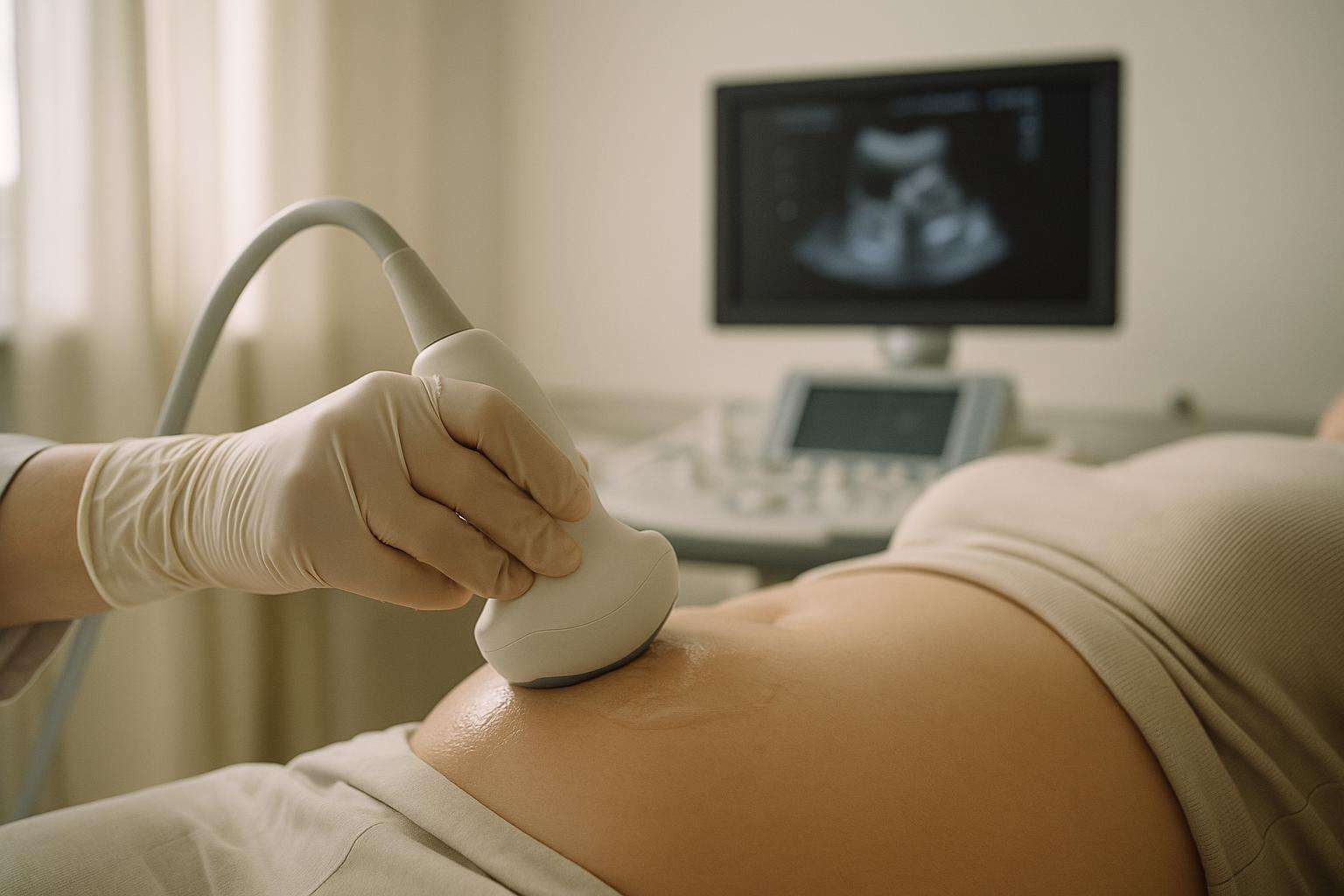
A calm, step-by-step walkthrough of what happens at your 8–10 week prenatal visit — the standard ACOG lab panel, how the dating ultrasound works, and what it all costs with and without insurance.
A negative home pregnancy test doesn't always mean you're not pregnant. Here are the four main reasons a test misses a real pregnancy—and exactly when to retest.
From implantation spotting in week 3 to the lifting of nausea near week 13, here is exactly when each early pregnancy symptom appears — and the hormone driving it.
Your due date is a carefully derived estimate — not a deadline. Here's exactly how clinicians calculate it, why fewer than 5% of babies arrive on that day, and what first-trimester ultrasound changes when LMP isn't reliable.
A system-by-system guide to the Level II ultrasound — what the sonographer checks, what the scan can and cannot detect, and how to navigate self-pay costs ranging from $75 to $1,200.