Prenatal Care & Testing
Gestational Diabetes: The Glucose Test, Diet and Glucose Targets
An OB-GYN-reviewed guide to how GDM is screened and diagnosed, what the one-step versus two-step glucose tests measure, how diet and lifestyle are the proven first line, and what the Dexcom G7 and ADA targets mean for your daily monitoring.
Clinically reviewed · June 2026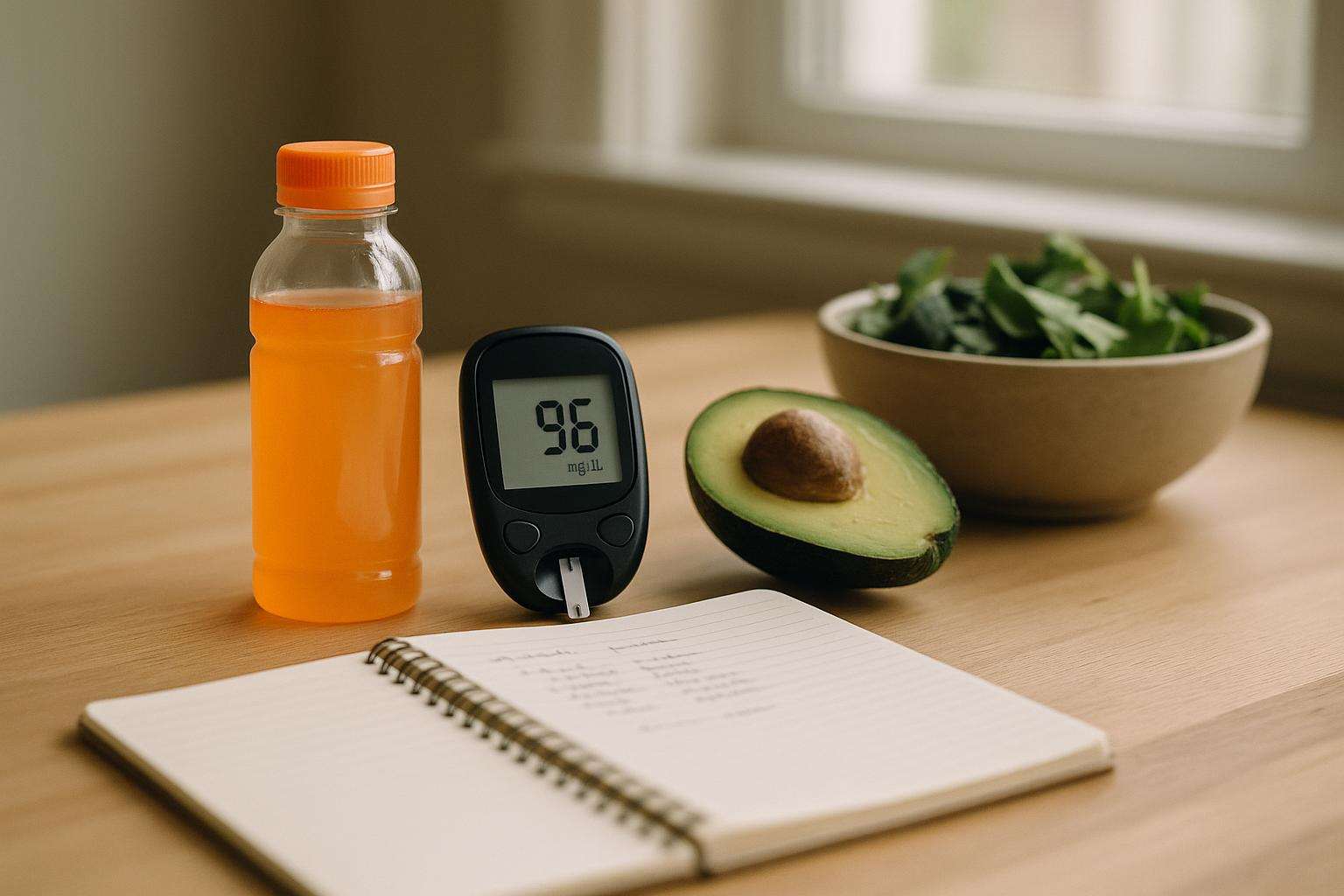
Gestational diabetes is screened at 24–28 weeks using a two-step glucose test; diagnosis requires two abnormal values on the fasting three-hour test. Diet — specifically low-GI, whole-food eating — is the proven first-line intervention, and pregnancy-specific glucose targets are narrower than you might expect: fasting under 95 mg/dL, one-hour post-meal under 140 mg/dL.
Gestational diabetes mellitus (GDM) is a form of glucose intolerance that first appears during pregnancy, and it is far more common than most people realize. Prevalence has risen 36% between 2016 and 2024 in the United States, increasing from 6.0% of deliveries to 8.3% — a nearly unbroken 15-year upward trend driven by advancing maternal age and rising rates of pre-pregnancy obesity, according to research from Northwestern University published in JAMA Internal Medicine. Understanding how screening works, what your numbers mean, and which dietary strategies have the strongest evidence puts you in the best position to protect your health and your baby's.
This article provides general educational information and is not a substitute for personalized medical advice. Talk with your obstetric or diabetes care provider about any screening, monitoring, or treatment decisions specific to your pregnancy.
How Does the Gestational Diabetes Screening Process Work?
Universal screening is recommended between 24 and 28 weeks of gestation for all pregnant women without pre-existing diabetes. The process has two distinct steps, and understanding what each step does — and does not — tell you matters for interpreting results clearly.
Step One: The 50-Gram Glucose Challenge Test (Non-Fasting)
The first step is a 50-gram oral glucose challenge test (GCT). Unlike many lab draws, no fasting is required, which makes it logistically accessible and widely adopted for universal screening. You drink a standardized glucose solution and have venous blood glucose measured exactly one hour later.
According to the ACOG May 2024 Clinical Practice Update in Obstetrics & Gynecology, individual practices use cut-off thresholds ranging from 130 to 140 mg/dL depending on community GDM prevalence and each clinician's preferred balance of test sensitivity and specificity. A value of 200 mg/dL or higher at the one-hour mark is considered diagnostic for GDM outright — no further testing is needed. Approximately 15–20% of screened women exceed the chosen threshold and proceed to the second step.
Step Two: The 100-Gram, Three-Hour Diagnostic OGTT (Fasting Required)
The second step is a fasting 100-gram oral glucose tolerance test (OGTT). You fast overnight, have a baseline blood draw, drink the glucose solution, and have blood drawn again at one, two, and three hours. GDM is diagnosed when two or more of the four values meet or exceed the Carpenter and Coustan thresholds:
| Time Point | Threshold (mg/dL) | What It Measures |
|---|---|---|
| Fasting | ≥ 95 | Baseline glucose after overnight fast |
| 1 Hour | ≥ 180 | Acute glucose rise after the load |
| 2 Hours | ≥ 155 | How efficiently glucose is clearing |
| 3 Hours | ≥ 140 | Near-complete return toward baseline |
ACOG prefers the Carpenter and Coustan criteria over older National Diabetes Data Group values because treating women who meet Carpenter-Coustan thresholds has been shown to reduce macrosomia, shoulder dystocia, cesarean delivery, and pregnancy-induced hypertension. Women with only one abnormal value do not receive a GDM diagnosis but warrant closer clinical surveillance for the remainder of pregnancy.
The American Diabetes Association (ADA) also endorses a one-step approach — a single fasting 75-gram OGTT with values drawn at fasting, one hour, and two hours. The one-step method identifies a substantially higher proportion of women (approximately 11.5% versus 4.9%) because the diagnostic thresholds are different. ACOG's 2024 update continues to support both approaches; your provider will use whichever protocol is standard at their practice.
What Dietary Strategies Have the Strongest Evidence for GDM?
Diet and lifestyle modification — not insulin or metformin — is the primary first-line intervention for GDM, and the evidence base has grown considerably in the past two years.
A landmark 2025 network meta-analysis in Frontiers in Endocrinology, covering 28 randomized controlled trials and 2,666 participants, compared seven distinct dietary patterns head-to-head for glycemic control in GDM. Key findings:
- Low-glycemic-index (low-GI) diets produced the most consistently favorable results across fasting glucose, two-hour postprandial glucose, and insulin resistance (HOMA-IR), and demonstrated a significant reduction in macrosomia risk (OR = 0.12).
- DASH diet showed the strongest overall reduction in fasting blood glucose (SMD = −2.35), two-hour postprandial glucose (SMD = −1.41), and HOMA-IR (MD = −1.90), and reduced cesarean section risk by 46% (OR = 0.54).
- Mediterranean diet consistently improved maternal anthropometry and glycemic profile.
- Low-carbohydrate approaches showed promise for limiting postprandial spikes and are under active investigation.
Practically, a whole-food, low-glycemic eating pattern for GDM looks like this at most meals:
- Non-starchy vegetables (leafy greens, broccoli, zucchini, peppers, cauliflower) as the foundation of each meal
- Adequate protein from eggs, wild fish, poultry, legumes, and grass-fed meat to blunt postprandial glucose rises
- Healthy fats — avocado, olive oil, nuts, seeds — to slow gastric emptying and moderate the glycemic response
- Minimized refined grains, white bread, fruit juice, and added sugars
- Consistent meal timing to prevent large excursions between highs and lows
Gentle physical activity is a meaningful adjunct. Evidence supports post-meal walks of 15–20 minutes as a simple, well-tolerated strategy for reducing postprandial glucose in women with GDM. Your provider may also refer you to a registered dietitian with GDM experience for individualized carbohydrate targets, particularly if your glucose patterns are variable.
What Are the Glucose Targets During Pregnancy, and How Is Monitoring Done?
Pregnancy-specific glucose targets are significantly tighter than standard adult ranges. This is because even modestly elevated blood sugar is linked to fetal overgrowth, neonatal complications, and downstream metabolic risk for the child.
Fingerstick Monitoring Targets
For women using traditional capillary fingerstick glucose meters, the standard pregnancy-specific goals are:
- Fasting: 95 mg/dL or less
- One hour after meals: 140 mg/dL or less
- Two hours after meals: 120 mg/dL or less
Continuous Glucose Monitor (CGM) Targets
Both the Dexcom G7 and the Abbott FreeStyle Libre 3 have received FDA clearance for use in gestational diabetes. The ADA 2026 Standards of Care specify pregnancy-specific CGM targets:
- Mean glucose: below 110 mg/dL
- Time in pregnancy range (TIRp): at or above 90% (approximately 63–140 mg/dL)
- Time above pregnancy range (TARp): below 10%
Most CGM apps default to the standard adult range of 70–180 mg/dL, which is too wide for pregnancy. Work with your provider to configure alerts and range settings to the pregnancy-specific window. A 2025 randomized controlled trial in Diabetes Care confirmed that real-time CGM improved time in range compared to fingerstick testing alone in GDM — and a 5% decrease in TIRp during the second or third trimester is independently associated with increased rates of large-for-gestational-age birth, neonatal hypoglycemia, and NICU admission.
Self-pay cost for CGM sensors runs approximately $185 per month at major pharmacies using discount programs such as GoodRx. Insurance coverage is expanding but remains inconsistent — ask your provider or pharmacist about prior authorization and any CGM benefit your plan may carry.
When Medication Becomes Necessary
When diet, consistent meal timing, and physical activity are not sufficient to achieve these targets, insulin is the preferred pharmacologic agent per ADA 2026 guidance. Insulin does not cross the placenta in clinically meaningful amounts and carries the longest safety record in pregnancy. Metformin and glyburide both cross the placenta and should not be used as first-line agents under current ADA 2026 standards. The goal of optimizing diet and lifestyle first is not to avoid medication when it is genuinely needed — it is to use the most effective root-cause strategy before adding pharmacological support. Your obstetric and diabetes care team will make that decision with you based on your individual glucose patterns.
After delivery, most women's blood glucose returns to normal, but the postpartum window is a critical prevention opportunity. ACOG and the ADA recommend a fasting glucose or 75-gram OGTT at 4–12 weeks postpartum, with annual monitoring thereafter. Up to 70% of women with GDM develop type 2 diabetes within five to ten years of their pregnancy, with risk highest in the first five years — making postpartum follow-through one of the highest-yield health actions you can take.
Frequently asked
What is the difference between the one-hour and three-hour glucose tests in pregnancy?
The one-hour test (50-gram glucose challenge) is a non-fasting screening step administered at 24–28 weeks. You drink a glucose solution, wait one hour, and have blood drawn. It determines whether you need further testing — it does not diagnose gestational diabetes on its own. According to the ACOG May 2024 Clinical Practice Update, most practices use a threshold of 130–140 mg/dL; a value of 200 mg/dL or higher is immediately diagnostic. About 15–20% of women fail the screening and move on to the three-hour test. That second test is a fasting 100-gram oral glucose tolerance test with blood drawn at fasting, one, two, and three hours. GDM is diagnosed when two or more values meet the Carpenter and Coustan thresholds: fasting 95 mg/dL, 1-hour 180 mg/dL, 2-hour 155 mg/dL, and 3-hour 140 mg/dL.
What glucose targets should I aim for if I have gestational diabetes?
Targets depend on whether you use fingerstick testing or a continuous glucose monitor. For fingerstick monitoring, the standard pregnancy-specific goals are: fasting glucose 95 mg/dL or less, one-hour postprandial 140 mg/dL or less, and two-hour postprandial 120 mg/dL or less. If you use a CGM, the ADA 2026 Standards of Care set pregnancy-specific time-in-range (TIRp) at 90% or above within a range of roughly 63–140 mg/dL, and time above range (TARp) below 10%. These pregnancy ranges are narrower than standard adult CGM ranges, so most CGM apps will need to be reconfigured with your provider. A 5% drop in time in range is associated with increased rates of large-for-gestational-age birth, neonatal hypoglycemia, and NICU admission.
What should I eat if I have gestational diabetes?
The best-supported dietary pattern for gestational diabetes is a low-glycemic-index (low-GI), whole-food approach. A 2025 network meta-analysis in Frontiers in Endocrinology covering 28 randomized controlled trials found low-GI diets produced the most consistently favorable effects on fasting glucose, two-hour postprandial glucose, and insulin resistance. The DASH diet reduced cesarean risk by 46% in the same review. Practically, this means: fill half your plate with non-starchy vegetables at every meal; include protein (eggs, fish, poultry, legumes) to blunt glucose spikes; add healthy fats such as avocado and olive oil to slow digestion; minimize refined carbohydrates, white bread, and added sugar; and keep meal timing consistent. A 15–20 minute walk after meals has meaningful evidence for reducing postprandial glucose as well. Ask your provider for a referral to a registered dietitian with GDM experience for individualized carbohydrate targets.
Can I use a continuous glucose monitor (CGM) during pregnancy?
Yes. Both the Dexcom G7 and the Abbott FreeStyle Libre 3 have received FDA clearance for use in gestational diabetes. The Dexcom G7 15 Day is cleared for individuals 18 and older with GDM and transmits readings every five minutes to a smartphone. A 2025 randomized controlled trial published in Diabetes Care demonstrated that real-time CGM improved time in range compared to fingerstick testing alone in women with GDM. The landmark CONCEPTT trial showed similar improvements in type 1 diabetes in pregnancy, including reduced large-for-gestational-age births and shorter neonatal stays. Important: the default CGM glucose range (70–180 mg/dL) is too wide for pregnancy. Work with your provider to set pregnancy-specific alerts at approximately 63–140 mg/dL. Without insurance, CGM sensors cost approximately $185 per month using discount programs such as GoodRx. Coverage is expanding but varies by plan. This is general information — discuss monitoring options with your obstetric and diabetes care team.
How common is gestational diabetes and who is most at risk?
GDM is one of the most common pregnancy complications in the United States. Prevalence estimates vary by diagnostic method: the two-step approach diagnoses roughly 4.9% of pregnant women; the one-step 75-gram OGTT identifies approximately 11.5%. Importantly, rates have risen sharply over time — a 36% increase between 2016 and 2024, driven largely by rising obesity rates and advancing maternal age. Risk increases steeply with age: the CDC reports that mothers over 40 develop GDM at nearly six times the rate of mothers under 20 (15.6% vs. 2.7%). Other established risk factors include BMI above 25, a family history of type 2 diabetes, a prior pregnancy with GDM, polycystic ovary syndrome, and certain ethnic backgrounds. Up to 70% of women with GDM will develop type 2 diabetes within five to ten years after delivery, with risk highest in the first five years. Talk to your provider about your individual risk profile and monitoring plan.
When does medication become necessary for gestational diabetes?
Lifestyle modification — whole-food nutrition, consistent meal timing, post-meal activity, and blood glucose monitoring — is the first-line treatment for GDM and achieves glycemic targets for many women without medication. When dietary and lifestyle measures are insufficient to meet the pregnancy-specific targets, the ADA 2026 Standards of Care specify that insulin is the preferred pharmacologic agent. Unlike metformin and glyburide — both of which cross the placenta — insulin does not reach the fetus in clinically meaningful amounts and has the strongest safety record. Metformin and glyburide should not be used as first-line agents according to current ADA 2026 guidance. Medications are an important tool when they are genuinely needed; the purpose of optimizing diet first is not to avoid treatment but to use the most effective root-cause strategy before adding pharmacological support. Your obstetric and diabetes care team will guide the decision.
Does gestational diabetes affect my baby, and what happens after delivery?
When GDM is well controlled, most babies are born healthy. When blood glucose runs higher than the pregnancy-specific targets, risks increase substantially. The most common complications include macrosomia (a larger-than-normal baby), which raises the likelihood of shoulder dystocia during delivery, and neonatal hypoglycemia in the hours after birth, which may require NICU monitoring. Other associated outcomes include higher rates of cesarean delivery, preterm birth, and NICU admission. Research also shows that offspring exposed to uncontrolled GDM have reduced insulin sensitivity and impaired glucose tolerance in childhood, creating a multigenerational risk cycle. After delivery, most women's blood glucose returns to normal. However, the postpartum period is a critical prevention window: the ADA 2026 Standards and ACOG recommend glucose testing at 4–12 weeks postpartum and annual monitoring thereafter, given that up to 70% of women with GDM develop type 2 diabetes within a decade. Breastfeeding is encouraged and has been associated with improved postpartum metabolic outcomes. Discuss your postpartum monitoring plan with your provider before delivery.